Wager Mage
Photo by Michael Steinberg Pexels Logo Photo: Michael Steinberg

What are 4 bars in a song?

The Most Common Size of a Musical Phrase: 4 Bars And one of the most common phrase-lengths is four measures. This means that for every four measures, or bars, we find a complete thought. A written sentence usually has a beginning, middle and end, and closes in a punctuation mark.

What is 9 holes of golf called?

A "9-hole course", typically the type referred to as an "executive course", has only 9 holes instead of 18, but with the otherwise normal mix of...

Read More »
What happens if I bet on both teams?

Betting on both teams (also called arbitrage betting or middling) can result in the bettor making a profit — regardless of the outcome — by placing...

Read More »

Does music have magical formulas, that make everything sound better? Well, not exactly magic, but yes, music does contain common patterns. And what happens when we recognize musical patterns and understand them? We’re more equipped to play beautifully.
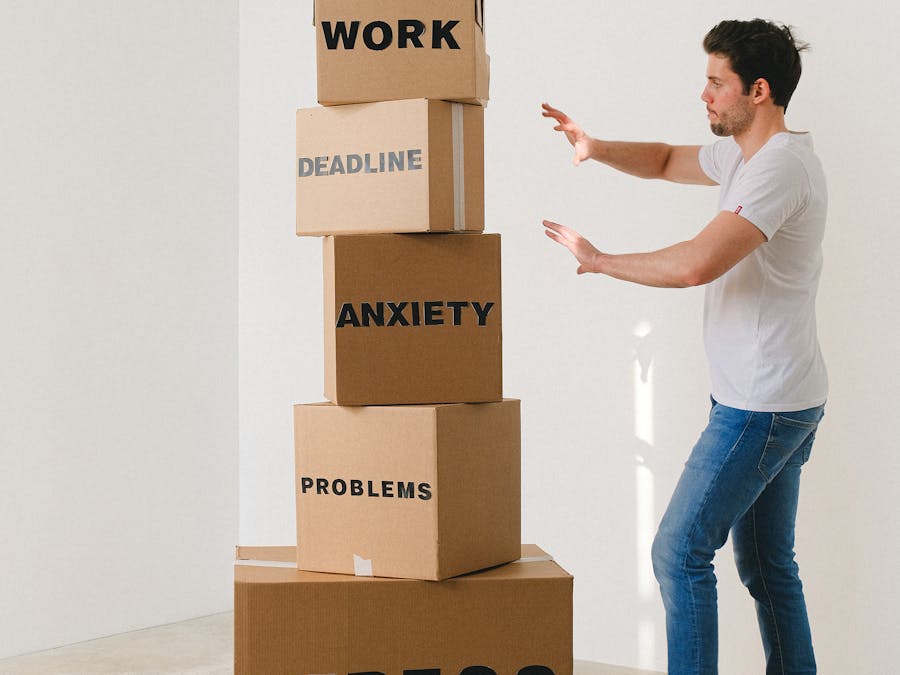
One common pattern is the four-bar phrase.

The Most Common Size of a Musical Phrase: 4 Bars

Composers often group music into small sections. We may call these sections “phrases”. And one of the most common phrase-lengths is four measures. This means that for every four measures, or bars, we find a complete thought. A written sentence usually has a beginning, middle and end, and closes in a punctuation mark. Phrases share similar traits. Composers may string more than one 4-bar phrase together to create an 8- or 16-bar phrase. But most often, the 4-bar phrase still holds as a unit.

Note: Find basic music theory lessons here.

Each Measure Has Its Place

Within each 4-measure phrase, we find a journey from one place to another. One of the main goals of music is to create a forward momentum. And 4-bar phrases help to serve this purpose. Each measure has a role to play in engaging listeners and developing the “story” of the music (also called the “long line”).

Measure One: The Arrival

The first measure is often the arrival of that which has come before. Previous bars have led to this one. At the very beginning of a piece or section, this can also be a statement of “homebase”. It tells the listener the starting point. From here, we’ll journey out and likely return.

Measure Two: Repose

The second measure is a weak measure. This means that it “pulls back” in order to thrust ahead again later. We can think of Measure Two as a moment of repose. We wind the spring. We draw the bow. We gather our forces. We take one step back before taking two forward.

In practical terms, this often means getting quieter.

How many strokes do you need for a 9 handicap?

In reality, the scratch golfer should match 36 every time he plays. A 7 handicap player should shoot a score of no greater than 40, and the 9...

Read More »
Can you smoke on public beaches in Florida?

The state has long controlled smoking regulations. But the new law (HB 105), signed in June by Gov. Ron DeSantis, gives authority to cities and...

Read More »

Measure Three: The Upbeat

Measure Three prepares us for the end of the phrase. This is the second strongest measure, behind the first. If we think of the 4-measure sequences as “flow, ebb, flow, ebb”, this is the second “flow” measure. This measure often creates a tension that will resolve in the final measure. Or continue into the next phrase. Using the journey metaphor, Measure Three is the adventure. Here we find conflict and challenge. We feel unrest. Composers often use the harmony (underlying chords) to create this effect. It may be a dissonant chord or more notes not in the original key. They may also use rhythm or note density to create tension. Either way, the effect is a “stirring of the pot”. This is where the drama unfolds. Note: The term “upbeat” often referrs to the last beat of a measure, which leads to the next downbeat. The same role is at work here, but on a larger scale. The purpose and intention are the same – to create anticipation and lead the music forward.

Measure Four: The Kicker

And in the last measure of our 4-bar phrase we draw the listener toward the next arrival (the next phrase). The current phrase may end here on a long note. Whether or not this happens, the music normally continues. So we don’t want to bring the music to a complete stop. In practical terms, this means that we stay alert and counting the rhythm. We don’t let the vitality of the music drain during a long note. We maintain the forward thrust of the music all the way to the next downbeat (the first note of the next measure). And if we find more than a single note in this measure, we treat them as connected to and leading to the next downbeat.

How to Use the Four-Measure Formula in Your Music

What percentage of bets do you need to win to be profitable?

Similarly, if you consistently bet on sports games with odds of +150, your break-even percentage is 40%, which means you have to win more than 40%...

Read More »
What does 11 mean in sports?

If you see a -11 that means that team is favored, and +11 means you're taking the underdog. May 22, 2020

Read More »

So now that we know the basic role of each measure, how do we use this in our music?

Ideally, ideas such as the Four-Measure Formula have practical application. We want to use them in a meaningful way.

And there are very real applications for this framework.

Logical Practice Sections

Four-bar phrases usually sound good as a complete whole. For this reason, they work well as practice sections. It’s useful to break the piece into smaller sections for practice. And this formula can help us decide how to break apart the piece. Tip: Go all the way to the downbeat of the 5th measure. This is one note past the four bars. This will help the music sound more cohesive and connected when put together again.

Memory and Recall

The four-bar formula also helps organize the piece in our minds. It gives context to the individual bars. And it helps us keep our place in the music. The first bar of a four-bar phrase is also a great place to jump in, if we ever get lost and need to jump back or forward. It’s a familiar landmark.

Playing Beautifully: Expression and Phrasing

And we can use our knowledge of the four-measure pattern to decide on phrasing and expression. This pattern can help us decide where to get quieter or louder. It can help us preserve our energy for the high point in the section or piece. It can help us to tell a more compelling musical story. At the end of the day, formulas are only worthwhile if they help us play more beautifully. And this one is useful on many levels (if and when we use it).

Why does poker have two rivers?

If they both agree to “run it twice” then two turns and two rivers will be dealt. Each runout is worth exactly one half of the pot. If each player...

Read More »
How much tax will be taken out of a 1000 bonus?

22 percent The flat rate method, also known as the flat percentage method, requires you to withhold income tax at a flat 22 percent rate. For...

Read More »
What are the odds for England v Italy?

Italy vs. England money line: Italy +180, England +145, Draw +200. Sep 22, 2022

Read More »
What percentage of parlays win?

If you have two wagers that are each +100 — bet $100 to win $100 — then the parlay has roughly a 25 percent chance of winning. If those wagers are...

Read More »