Wager Mage
Photo by Dinesh De Silva Pexels Logo Photo: Dinesh De Silva

What is an elephant slang?

Elephants is slang for large institutional investors that have the resources to move markets on their own.

How long did Donkmaster go to jail?

Over 100 pounds of trafficking marijuana.” He added that after seven months of serving time, he got a call from a farm in California, adding: “I...

Read More »
What's the difference between darts BDO and PDC?

The BDO stands for the British Darts Organisation and the PDC is the Professional Darts Council and they are both professional darts organisations.

Read More »

What Are Elephants?

Elephants is slang for large institutional investors that can move markets on their own. Elephants have the funds to make high-volume trades. Due to the large volumes of securities that elephants deal in, any investment decisions that they make could have a huge influence on the price of the underlying financial asset. Key Takeaways Elephants is slang for large institutional investors that have the resources to move markets on their own. Institutional investors perform the majority of trades on major exchanges and, as a result, greatly influence the valuations of assets. The most common institutional investors are endowment funds, commercial banks, mutual funds, hedge funds, pension funds, and insurance companies.

1:17 Elephants

Understanding Elephants

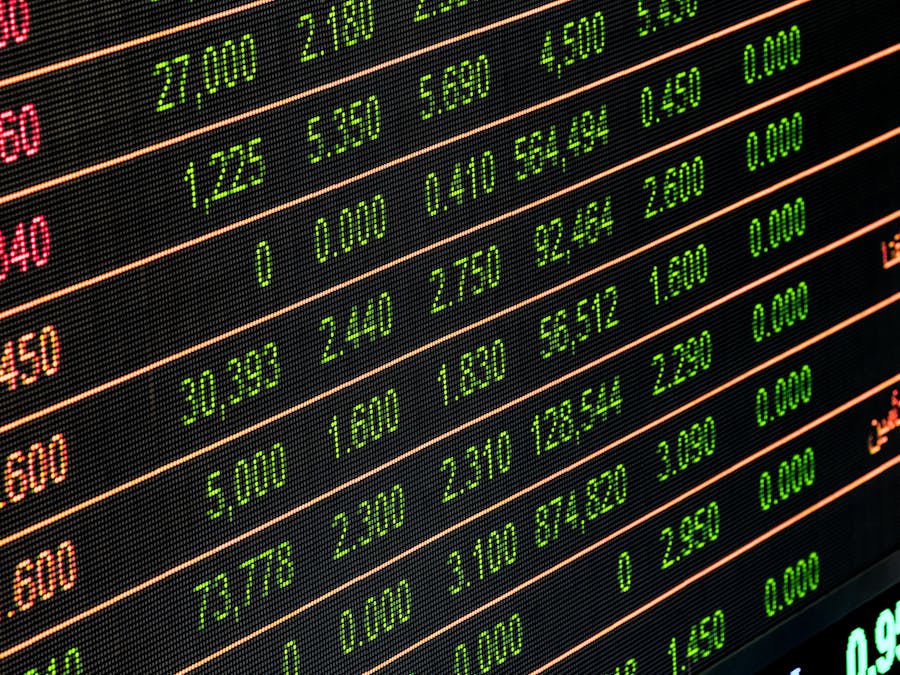
Wall Street has a thing for using animal names to describe certain conditions, occurrences, and types of investors in stock markets. Examples include bulls, bears, stags, pigs, dogs, wolves, dead cats, ostriches, and elephants. The term elephant is often used in reference to institutional investors, a nonbank person or organization that trades securities in large enough share quantities or dollar amounts on behalf of its members that it qualifies for preferential treatment and lower commissions. Professionally managed entities such as mutual funds, pension plans, banks, and insurance companies are the largest force behind supply and demand in securities markets, performing the majority of trades on major exchanges. This means they greatly influence stock prices. Retail investors buy and sell stocks in round lots of 100 shares or more, whereas institutional investors buy and sell in block trades of 10,000 shares or more. Think of a swimming pool: If an elephant steps into the pool (buys into a position), the water level (stock price) increases; if the elephant gets out of the pool (sells a position), the water level (stock price) decreases. In comparison to the elephant's influence on stock prices, the effect of an individual investor is more like that of a mouse.

Types of Elephants

There are generally six types of institutional investors: endowment funds, commercial banks, mutual funds, hedge funds, pension funds, and insurance companies. The largest institutional investor, as of the end of 2020, was BlackRock, with nearly $7.3 trillion in assets under management (AUM). On Wall Street, the word elephant can also have other meanings. Two other famous investing terms that bear the name of the largest land animal on earth are white elephant, otherwise known as an investment whose cost of upkeep is not in line with how useful or valuable the item is, and hunting elephants—a buzz term used to describe the practice of targeting large companies as potential clients or acquisition targets. Sometimes investors also use the term elephant to refer to big conglomerates that are slow to adapt to change.

Special Considerations

Institutional investors have the resources and specialized knowledge to extensively research a variety of investment options. For this reason, regular retail investors often examine institutional investors’ regulatory filings with the Securities and Exchange Commission (SEC) to determine which securities they are buying. In theory, anticipating where the elephants of the investment world are going to invest next should net retail investors a fortune. Following their moves is less fruitful, as big trades from these giants tend to push share prices up considerably. Contrarian investors specialize in doing the opposite of the elephants—that is, buying when institutions are selling, and selling when institutions are buying.

Do you have to report DraftKings winnings on taxes?

Fantasy sports winnings of $600 or more are reported to the IRS. If it turns out to be your lucky day and you take home a net profit of $600 or...

Read More »
What does 100% rain mean?

So… if the forecaster knows precipitation is sure to occur ( confidence is 100% ), he/she is expressing how much of the area will receive...

Read More »

Why is 72o the worst hand in poker?

A 2-7 offsuit hand is the worst hand to start with in Texas Hold 'Em poker because there are so few good options available to you: you have no straight draw, no flush draw, and even if you wind up with a pair of 7s or a pair of 2s, you're unlikely to have the best hand.

At the begging of each round of Texas Hold 'Em poker, you are dealt two cards. These are your hole cards or starting hand. Those hole cards can eventually be used with the cards revealed in the flop, turn and river to assemble a (hopefully) winning hand. After you are dealt your starting cards, there is a round of betting. At this point, players look at their hold cards and choose to check, bet or fold. Anyone who doesn't fold after viewing his hole cards then sees the three flop cards. Another round of betting occurs before the turn card is dealt. A round of betting also precedes the river card. There is then one more round of betting, and the best five-card hand wins. That hand may or may not contain the hole cards. Some starting two-card hands are more likely to work well with the other cards in the deck than others. Of all the possible starting hands you can be dealt in Texas Hold 'Em, the following five hands are the least welcome. If you're dealt one of these hands, there are almost no circumstances in which you should play them. If you see these particular card combinations in your starting hand, your best option is to fold 'em.

How much is a $2 trifecta?

Trifecta box bets cost more than straight trifectas because they cover every winning combination, but they significantly increase the bettor's odds...

Read More »
What country owns BDO?

the Philippines BDO Unibank, Inc., commonly known as Banco de Oro (BDO), is a Philippine banking company based in Mandaluyong. In terms of total...

Read More »
Why is it important to have a bonus?

Bonuses incentivize employees to exhibit the behavior that a business needs to be successful, whether it's generating new clients, client...

Read More »
Is bonus money taxable?

Working hard all year to help your company meet its annual goals deserves a reward, and you've definitely earned that bonus. But bonuses count...

Read More »