Wager Mage
Photo by Jill Burrow Pexels Logo Photo: Jill Burrow

Why is the spread so big?

A large spread exists when a market is not being actively traded, and it has low volume, so the number of contracts being traded is fewer than usual. Many day trading markets that usually have small spreads will have large spreads during lunch hours or when traders are waiting for an economic news release.

How do you trick your location on FanDuel?

The easiest way to trick Fanduel Sportsbook location restrictions is with a VPN. A reliable provider, such as NordVPN, has loads of servers in the...

Read More »
Is there a car with 2000 horsepower?

The Dragon produces a claimed 2000 horsepower, and Drako says it can hit 60 mph in 1.9 seconds on its way to a top speed over 200 mph. Jun 30, 2022

Read More »

Day trading markets have two separate prices known as the "bid and ask prices," which respectively mean the "buying and selling prices." The distance between these two prices can vary and affect whether a particular market can be traded. It also determines how trading is done. Key Takeaways A spread is the difference between the bid price and the ask price. A small spread exists when a market is being actively traded and has high volume—a significant number of contracts being traded. A large spread exists when a market is not being actively traded and has low volume, meaning that the number of contracts being traded is fewer than usual. Most day traders prefer small spreads, because these allow their orders to be filled at the prices they want.

Small Spreads

When the bid and the ask prices are close, there is a small spread. For example, if the bid and ask prices on the YM, the Dow Jones futures market, were at 1.3000 and 1.3001, respectively, the spread would be one tick. What this example means in real terms is that if you immediately were to buy 1,000 YM, it would cost you $1,300.10; if you were to sell it back instantly, you would receive $1,300.00 (a loss of 10 cents). That $0.10 loss is the spread—the difference between the bid price and the ask price. The spread is what the market maker earns on thousands of trades every day in exchange for taking risks associated with making a market. A small spread exists when a market is being actively traded and has high volume—a significant number of contracts being traded. This is the case throughout the trading day for many popular trading markets, but it only happens at certain times of the day for other markets, such as the during European market open and the U.S. market open.

Large Spreads

When the bid and ask prices are far apart, the spread is said to be large. If the bid and ask prices on the EUR, the Euro-to-U.S. Dollar futures market, were at 1.3405 and 1.3410, the spread would be five ticks. A large spread exists when a market is not being actively traded, and it has low volume, so the number of contracts being traded is fewer than usual. Many day trading markets that usually have small spreads will have large spreads during lunch hours or when traders are waiting for an economic news release.

What are the odds for Bengals to win Super Bowl?

Yet, oddsmakers don't like Cincinnati's chances of winning Super Bowl 57. The Bengals rank well below the favored Bills and Buccaneers, and fit in...

Read More »
Who is the most famous lottery winner?

Andrew Jackson Whittaker Jr. His win of US$314.9 million in the Powerball multi-state lottery was, at the time, the largest jackpot ever won by a...

Read More »

Effects on Trading

Most day traders prefer small spreads, because these allow their orders to be filled at the prices they want. Many day traders will temporarily stop trading if their market develops a large spread. A large spread causes orders—especially market orders—to be filled at unwanted prices, which requires adverse adjustments for the trading system to compensate, such as increasing a stop-loss.

Trading the Spread

Some day traders try to make trades that take advantage of the spread, and they prefer a large spread. Trading systems that trade the spread are collectively known as "scalping" trading systems. The traders are known as "scalpers," because they only want a few ticks of profit with each trade. One example of trading the spread would be to place simultaneous limit orders—rather than market orders—to buy at the bid price and sell at the asking price, then wait for both orders to be filled.

Small Spread Markets

Some popular day trading markets that usually have small spreads include currency futures, such as the Euro futures market (EUR) and stock index futures. Stock index futures include:

YM: The Dow Jones futures market

ES: The S&P 500 futures market

ER2: The Russell 2000 futures market

DAX: The DAX futures market

CAC40: The CAC40 futures market

ZG, the Gold 100 troy ounce futures market, is a commodity future that usually has small spreads. ZC, the corn futures market, and ZW, the wheat futures market, are examples of agricultural futures in which small spreads are most commonly seen.

What is forbidden in boxing?

Boxing Illegal moves No hitting with an open glove, the wrist, the backhand, or the side of the hand. No hitting below the belt, hold, kick, head-...

Read More »

How often do the favorites win in football?

133 times the favorite won the game and covered the spread. 97 times the underdog won the game outright. 39 times the favorite won the game but the...

Read More »
What is the rarest poker?

Salandit and Salazzle. At the time of writing, Salandit and Salazzle are two of the rarest Pokémon in the game. If you want to add their entries to...

Read More »
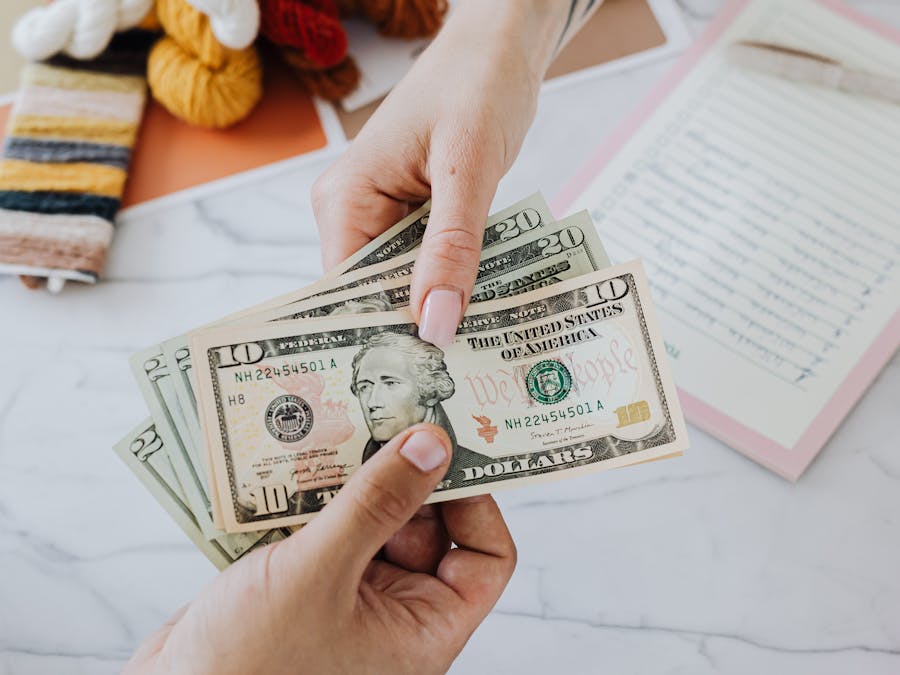
How can I make $300 dollars a day?

How to Make $300 a Day Flip Amazon Deals. Use Creative Commons Videos on YouTube. Sell Digital Products. Sell Physical Products. Resell Stuff...

Read More »